
Sara wanted to apply for her first office job after she completed her studies. She received good marks, some university work, and basic computer skills. But she was anxious since she had no official employment history. She thought other hopefuls’ résumés seemed mostrongernd so would have a greater possibility.
Sara concentrated on what she already knew rather than leaving her experience area void. She included her courses, technical skills, writing samples, volunteer work, and academic work. She also made a basic resume that really highlighted her skills. She started receiving interview calls within a few weeks and finally landed a basic job.
Introduction
Making a resume with little or no experience could initially seem challenging. Many recently graduated individuals and students believe a resume must cover many years of work history. Employers, however, also consider skills, education, projects, achievements, and personal strengths when assessing basic applicants.
A good resume need not be crammed with employment titles. It should highlight your employment possibilities. You can show yourself as a driven and qualified applicant with the correct resume layout and unambiguous information. Your goal is to simplify your potential.
Begin with a Basic Resume Layout
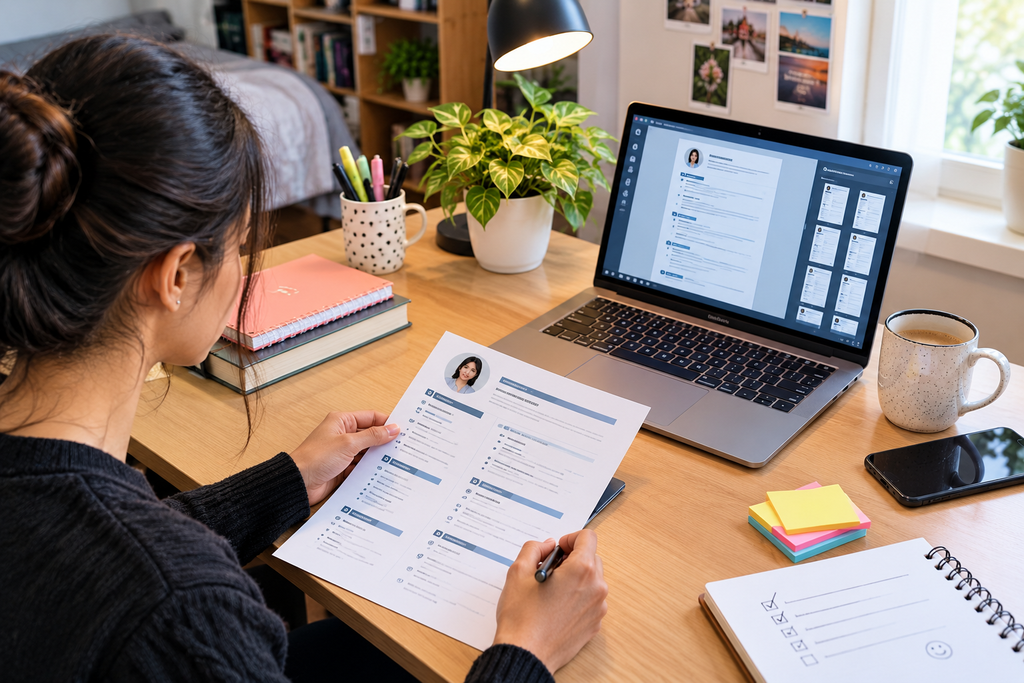
A straightforward resume layout helps your material to be read easily. Stay away from too many hues, images, or complex patterns. Pick sensible titles and maintain order in the sections. At the top of the page, your name and contact details ought to be shown. You can include a professional summary, education, talents, projects, and other pertinent sections below that.
A neat presentation helps companies concentrate on your skills when your experience is limited. From start to finish, maintain the same arrangement. Select clear fonts and lots of room between parts. A well-arranged resume can give a professional first impression before the company even reads every last one of its elements.
Produce a powerful professional summary
One of the first parts an employer could look at is your professional summary. It ought to concisely cover your identity, skills, and preferred kind of role. Little experience is not to be sorry for. Rather, focus on your education, practical skills, inspiration, and eagerness to study.
A current graduate, for instance, may highlight great research skills, computer knowledge, communication prowess, or experience with academic projects. Maintain a summary centered on the point you want. Stay away from broad remarks that may apply to everyone. A good overview might help your resume seem more pertinent and useful.
Emphasize your transferable abilities
If you lack much experience, transferable abilities can be quite helpful. These are skills that you can apply in many jobs and circumstances.
- Presentation or group work communication skills honed.
- Time management is learned through meeting deadlines and managing assignments.
- Through outreach or college activities, teamwork evolved.
- Problem-solving abilities demonstrated via academic activities.
- Knowledge acquired from writing presentations or papers.
- Computer skills with tools, online platforms, or software programs.
- Writing ability improved from papers, classes, or personal projects.
- Organizational abilities applied in handling studies, events, or duties.
Exhibit your possibilities using education
If your work history is constrained, education might be a significant asset on your resume. Include pertinent coursework, study time, institution, and degree. If they are relevant for the position, you would also highlight academic accomplishments. Pick subjects related to the position you’re seeking.
For example, an application looking for a marketing position may highlight programs in research, digital media, communications, and marketing. A candidate for a technology job can list pertinent technical topics. Your degree ought not just mention what you studied. It ought to enable companies to see the knowledge you can offer the job.
Add Personal and Academic Projects
Projects will help your resume to have practical worth. Projects you could have finished include those from your studies, training, online classes, or independent learning. These initiatives help to highlight your ability to apply your knowledge rather than just theory.
Describe each project in small detail and share your activities. Include the tools you employed and the outcome you reached where applicable. A writing assignment may involve writing blog material, doing keyword research, or editing an article, for instance. A basic project becomes significant when you properly explain your contribution and part.
Include pertinent accomplishments
Achievements can make your resume unique even if you haven’t worked in a proper capacity.
- Note excellent achievements or academic accolades.
- Add finished courses relevant to the desired position.
- Add certificates from trusted learning sites. Mention effective personal or college initiatives.
- Share contests, presentations, or occasions where you excelled.
- Whenever feasible, underline observable outcomes.
- Add volunteer accomplishments showing practical abilities.
- Talk about leadership duties you acquired from projects or activities.
Incorporate internships and helper work
Basic resumes benefit greatly from experience gained as a volunteer. It suggests you have accepted responsibility and aimed for an objective. Unpaid activities can even show communication, teamwork, organization, research, leadership, or customer service skills.
Internships are also good, as they expose you to a professional setting. Describe the chores you worked on instead of just the internship title if you finished one. Explain how you assisted the team, the tools you used, and what you found. This helps companies to see your skills more clearly.
Build a Skills Section in Sync with the Work
The skills you catalog should be pertinent to the job you want. Steer clear of compiling a long stock of every ability you have acquired. Rather, go over the job description and highlight the skills the company is looking for. Then list the abilities you really have.
A content writer job, for instance, could need research, SEO, keyword research, editing, writing, and communication abilities. These skills should be obviously listed on your resume. Matching pertinent skills with the job description will also help your CV to be more focused and therefore simpler for recruiters to go over.
If you can, assemble a Portfolio
- If you are a writer, include your best writing samples.
- Add design projects if you’re seeking creative positions.
- Display technological job coding work.
- For digital positions, include social media or marketing initiatives.
- When academic work shows pertinent skills, include it.
- Just keep your most pertinent and most powerful samples.
- For every project, it must have a clear title and short description.
Personalize your resume for every request
One of the great techniques to update a basic resume is to tailor it for every job. Employers could have varied demands on abilities and attributes. Review the job description thoroughly to determine the main expectations. Then modify your summary, abilities, projects, and other pertinent sections appropriately.
Customization is not about updating your complete CV each time. It means highlighting the most pertinent facts up front. Your portfolio and research abilities should be simple to find if a corporation is looking for a content writer. If the position calls for customer service, communication, and teamwork should be given more thought.
Common Questions (FAQs)
Can I prepare a resume empty of work experience?
Yes, you can create a strong CV with skills, projects, courses, volunteer work, and education.
If I have no job experience, what should I include?
Focus on pertinent skills, academic projects, accomplishments, training, and functions that demonstrate your capabilities.
How long should a basic resume be?
Most people may use an easy one-page resume if it includes pertinent and useful information.
Should I add a personal task to my resume?
Personal projects related to the work show initiative and practical skills.
How can I distinguish my resume?
Use a clean arrangement, potent action words, pertinent skills, particular accomplishments, and stuff suited for the position.
Conclusion
Writing a resume with little or no experience is not about cluttering the page with pointless information. It’s about showcasing your current skills in an appropriate method. Your potential can be shown through education, assignments, skills, volunteer work, training, and achievements. A clean and structured resume tells companies you are ready to learn and help.
Do not let a limited work background lower your confidence. Any professional has a beginning; your first resume marks the beginning of your future. Focus on your skills rather than your weaknesses. A solid application with honest information, pertinent skills, and a clear resume style can help you to increase your interview stage prospects.