
Introduction
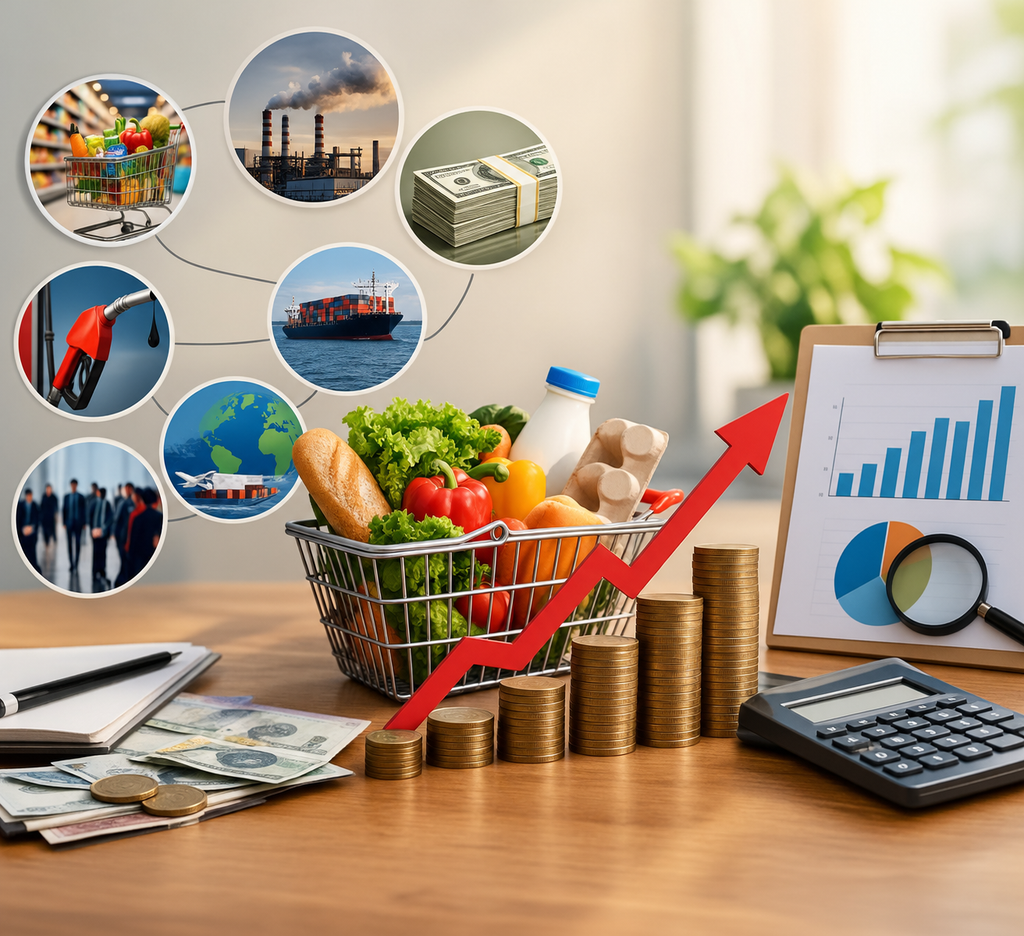
Inflation is a sustained increase in prices throughout the economy. Over time, it lowers the purchasing power of money. Food, fuel, housing, transportation, and services can all get pricey. Originally, modest price increases could appear benign. Long-term inflation may make household budgets very tense.
Several elements can lead to inflation under several economic situations. Strong demand could drive up prices across several industries. Rising production costs can also drive up end product prices. Also significant are imports, supply restrictions, money supply, and salaries. Several economic indicators enable following these shifting pricing levels.
Understanding Inflation And Prices
Rising prices over time are referred to as inflation. It does not imply that every item will simultaneously get pricey. While some costs could remain constant, some could increase. Inflation could even cause some goods to cost less. The general level of pricing causes the greatest anxiety.
Money loses part of its buying power as prices climb. After inflation, a set sum purchases fewer items. Families, employees, businesses, and savers are all affected by this impact. Healthy economic activity might produce low inflation. Extremely high inflation can cause more general economic problems.
Key Reasons Behind Rising Prices
Demand rising more quickly than supply usually causes prices to increase. Better employment and income will help consumers to spend more. Then businesses run a bigger demand for goods and services. A shortage could strain current goods. Higher costs could result from ongoing shortages.
Majorly, manufacturing costs also affect inflation. Rising energy costs can drive up factory and transportation expenses. The cost of production might rise with pricey basic materials. Higher pay can also increase running expenses of a company. Companies could pass some expenses toward their last consumers.
Major Drivers Of Inflation
- Rising customer demand might drive prices upward.
- Lack of supply could limit available items.
- Rising energy prices might raise manufacturing costs.
- Rising salaries could increase the cost of running a business.
- Rising money in circulation could help to drive expenditure.
- Costly imports could drive down local prices.
Demand-Driven Price Increases
Demand-pull inflation results from very high overall demand. Rising income and greater purchasing power could characterize consumers’ lives. Businesses could also raise their spending throughout economic growth. Government expenditure might increase demand in the markets. Prices can increase when demand surpasses supply.
This kind of inflation usually coincides with fast expansion. Low unemployment could help homes to spend more. Access to credit can also motivate more spending. Businesses react by making more goods where they can. Even with little manufacturing capability, prices might still be under pressure.
Cost-Based Inflation Factors
- Greater fuel prices could raise delivery costs.
- Should supplies run short, raw material prices might go up.
- Rising salaries might raise production costs.
- Higher rent could boost operating costs.
- When currencies fall, import costs could rise.
- For certain items, tax reforms could increase prices.
Money Supply And Price Growth
Inflation is also influenced by the money supply. More money entering the economy could lead to more spending. Strong spending could increase demand for goods and services. Prices could rise if output is constrained. The outcome is influenced by several economic elements.
Central banks closely track trends in demand, prices, credit, and money. Interest rates also affect borrowing and spending activity. Higher rates usually slow demand and lower borrowing. Lower rates could motivate borrowing, investing, and consumer spending. Such rules over time assist in controlling inflation pressure.
Supply Chain Inflation Pressures
Producers, suppliers, shipping companies, and shops are linked by supply chains. This network’s problems could lower product availability. Important supplies could run short in factories. Rising delivery times and expenses could result from transport delays. Should supply chain issues persist, retail prices might go up.
Events all around the world could seriously throw off supply. Natural events might damage roads, ports, factories, or farms. Wars could influence food, fuel, and raw material supplies. Extra restrictions limiting access to foreign goods might be trade restrictions. Such problems usually cause cost pressures throughout markets.
Methods Used To Measure Inflation
- The Consumer Price Index monitors household cost variations.
- The Producer Price Index tracks the prices producers get.
- The rate of inflation reveals percentage variation in costs.
- Core inflation excludes some erratic pricing groups.
- The GDP deflator looks at costs throughout national production.
- Price baskets enable cost comparison many times.
Understanding The Consumer Price Index
Many times utilized for inflation is the Consumer Price Index, or CPI. It monitors price variations for a chosen range of products and services. Food, shelter, mobility, healthcare, and education may all be found in the basket. Prices are gathered for many sites and market sectors. Changes highlight how household living expenses change over time.
Every home is not exactly represented by the CPI. Families and income levels have different spending patterns. One household could spend a lot on food and transit. Another family could pay more on education or housing. Still, the CPI gives a good overall indicator of inflation.
The Producer Price Index
Focusing on prices received by producers is the Producer Price Index, or PPI. Before goods reach the ultimate consumers, it monitors price changes. Manufacturers, farmers, distributors, and other producers might find a part in this initiative. Increasing producer prices could point to future consumer price pressure. Therefore, PPI offers insightful data about manufacturing expenses.
PPI and CPI track various aspects of the economy. PPI pays more careful attention to price fluctuations at the producer level. The focus of CPI is consumer pricing. For more general economic study, economists could investigate both metrics. Both indexes together give useful data on inflation.
Core And Headline Inflation
Headline inflation is based on general price variations in the chosen basket. Usually, core inflation omits extremely unstable food and energy costs. These groupings could significantly alter over little times. Longer-lasting pricing pressure is revealed by core inflation. Both indices give pertinent data for financial decisions.
A high headline rate does not always translate into equal increases across all pricing ranges. Headline inflation might rise rapidly from brief fuel shocks. During such circumstances, core inflation might still be lower. Persistent fundamental inflation might be a sign of more general pricing pressure. Before estimating inflation trends, economists examine both numbers.
Inflation Effects On Daily Life
Through several daily costs, inflation impacts families. Higher food prices could raise monthly grocery expenses. Increasing fuel prices could raise travel costs. Rising rents could strain family income. As company expenses rise, service costs can also go up.
Rising prices can lead workers to demand greater salaries. Still, wage increases might not forever keep pace with inflation. When profits fall short of inflation, savings could drop in value. Companies could have more expenses and lower customer demand. Extended periods of inflation could affect savings and spending patterns.
Common Questions (FAQs)
Simply stated, what is inflation?
Rising prices over time describe inflation. Rising prices often translate to fewer products and services being purchased.
What is the principal reason inflation is happening?
Strong demand and restricted supply usually cause inflation. Higher manufacturing costs, money supply, salaries, and imports also count.
How is inflation quantified?
Indexes, including CPI, are sometimes used to gauge inflation. The price of inflation reflects the percentage change in prices between two periods.
CPI assesses what?
The CPI measures price changes for a chosen assortment of consumer products and services. It demonstrates variations in living expenses of homes.
Does rising inflation influence savings?
Yes, saved money’s purchasing power can be diminished by inflation. Returns below inflation might result in negative real growth.
Conclusion
Rising prices over time is what inflation is all about. Demand, supply, manufacturing costs, pay, money, and imports could all affect it. Various economic circumstances could cause different inflation pressures. Important pricing fluctuations are tracked using CPI and PPI. Then, inflation rates let us know how quickly prices are changing.
Knowing inflation allows people to make wiser financial choices. Households could change their permanent objectives, savings, and spending. Companies might comment on expenses, pricing, salaries, and investment decisions. Governments and central banks track cost increases for economic stability. Knowing inflation helps one to better track changes in the economy.